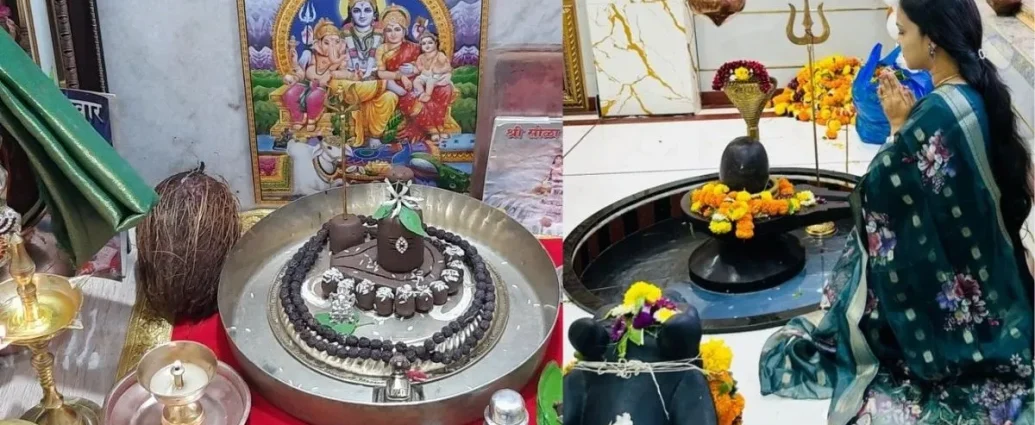
The Hartalika Teej fast isn’t limited to simply fasting, but also includes rituals and rules of conduct. On this day, married women worship Lord Shiva and Goddess Parvati, praying for marital bliss and eternal good fortune. Religious beliefs also explain the consequences of even minor mistakes made during the fast. If you’re planning to observe this fast, keep these things in mind.
Know the date first
Hartalika Teej is celebrated on the third day of the bright fortnight of the Bhadrapada month . This year, the third day will begin at 7:08 am on September 13th and will last until 7:06 am on September 14th. The fast will be observed on September 14th based on the rising date.
Avoid these mistakes on Hartalika Teej
- The adornment of married women on Hartalika Teej holds special significance. According to beliefs, one should avoid wearing black clothes or black bangles on this day. Red, green, or yellow are preferred for worship and adornment. These colors are associated with marital bliss and auspiciousness.
- While fasting throughout the day, it’s also important to maintain peace of mind. Therefore, avoid arguments or anger with your husband, family, or anyone else. During the fast, you should distance yourself from negative emotions and focus on meditation and devotion.
- The Hartalika Teej fast is considered different from other fasts. According to belief, those observing the fast should avoid sleeping during the day. Instead of relaxing, it is customary to spend free time remembering Shiva and Parvati, singing hymns, and chanting mantras. Staying awake at night is also recommended.
- Once you start the Hartalika Teej fast, it’s customary to observe it every year. The vow to fast holds special significance. Therefore, it’s important to consider your physical fitness before fasting, and if you’re unwell, you should prioritize your health.
- During Hartalika Teej, Ganesha is worshipped. It is traditional to begin the puja by remembering and worshipping Lord Ganesha, as he is the first deity to be worshipped. This is followed by worshipping Shiva and Parvati, praying for marital happiness and eternal good fortune.