
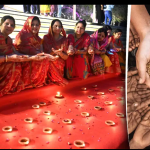





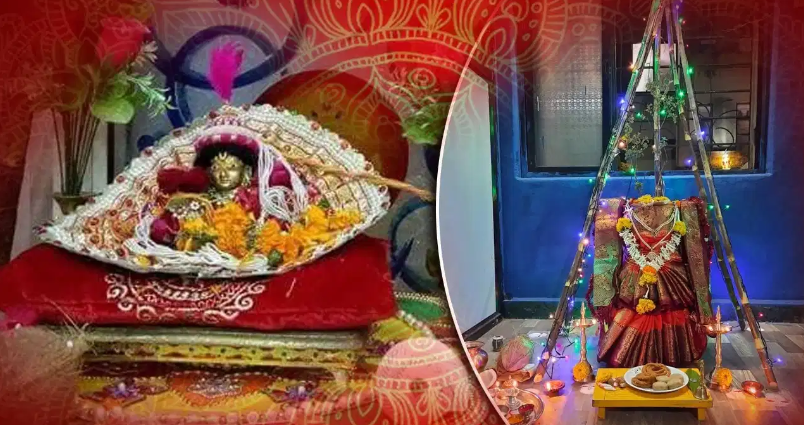
Tulsi Vivah Ritual: Tulsi Vivah holds special significance in Hinduism. This festival is celebrated as the marriage of Lord Vishnu in his Shaligram form and Mother Tulsi. It is believed that performing Tulsi Vivah brings happiness and prosperity to the home, brings happiness to married life, and brings the blessings of Lord Vishnu and Goddess Lakshmi. In 2026, Tulsi Vivah will be celebrated on Saturday, November 21. On this day, wedding rituals are performed in homes and temples by decorating the Tulsi plant.
However, people often wonder if the Tulsi plant at home has dried up, can it be used for Tulsi Vivah? Can this wedding be conducted without a Tulsi plant, and if Tulsi is not available at home, how should the puja be completed? According to religious beliefs, in such situations, a symbolic Tulsi wedding can be performed by adopting some simple remedies.
Tulsi Vivah Auspicious Muhurat 2026
Dwadashi tithi begins: November 21 at 6:31 AM
Dwadashi Tithi ends: Until 4:56 AM on November 22
Auspicious time for worship: from 5:25 PM to 7:49 PM
Brahma Muhurat: from 4:40 AM to 5:30 AM
Abhijit Muhurat: From 11:42 AM to 12:28 PM
Godhuli Muhurat: from 5:25 PM to 6:13 PM
Can you also do Tulsi Vivah with dried Tulsi?
Tulsi Vivah is not performed directly from dried Tulsi plants. According to religious beliefs, worshipping dry or dead plants is considered inauspicious. If the Tulsi plant in your home has dried up or the plant is not available, you can perform Tulsi Vivah using these methods:
Symbolic worship: You can place some fresh tulsi leaves or their buds on a clean plate or wooden plank (platform) and perform the puja.
Use of the picture: If leaves are not available, a symbolic wedding can be solemnized by installing a picture of Mother Tulsi (a photo).
Plant a new plant: Respectfully immerse the dried Tulsi plant in a sacred river or flowing water, or bury it in soil, then bring a new, lush green Tulsi plant and marry it to Lord Shaligram.
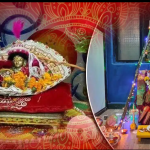
Installation of God: Place a Tulsi leaf or picture of Mother Tulsi on a clean red or yellow cloth. Right in front of it, install idols/pictures of Lord Shaligram, Laddu Gopal, Shri Krishna, or Lord Vishnu.
Resolve and cleanliness: After bathing, wear clean clothes, clean the place of worship, and light a lamp made of desi ghee. Take a vow to complete the Tulsi wedding with water, rice grains, and flowers in your hands.
Adornment and Worship: Offer turmeric, kumkum, sandalwood, rice grains, and flowers to Lord Vishnu and Goddess Tulsi. If there is an image, you can dedicate a piece of kalava or a red chunari to it.
Wedding rituals: Arrange an alliance (with kalava) between Tulsi paintings or leaves and Lord Shaligram/Vishnu. Offer them fruits, sweets, and kheer-puri as prasad.
Aarti and circumambulation: Finally, perform the aarti with a camphor or ghee lamp, sing bhajans and kirtans to the deity, and symbolically circumambulate and distribute prasad.