The difference between the July 20 protest by the Cockroach Janta Party (CJP) and Friday’s SIR demonstration in Delhi was evident in how far the two groups managed to move through the Capital.
The CJP protest in July began at Jantar Mantar but later moved towards Parliament. Protesters crossed police barricades at Tolstoy Marg and Sansad Marg and reached the area around Ashoka Road, bringing the demonstration close to Parliament before security forces stopped the march.
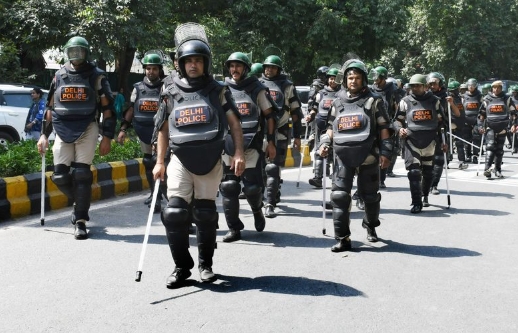
However, the SIR protest on Friday did not get as far as Jantar Mantar. The protest had been called at the designated protest site against Chief Election Commissioner Gyanesh Kumar and over the Special Intensive Revision of electoral rolls. But multiple layers of barricades and heavy police deployment prevented protesters from reaching the site. Many protesters said, “The police learnt their lessons well this time.”
The police had imposed restrictions under Section 163 of the Bharatiya Nagarik Suraksha Sanhita in New Delhi district. They also closed entry and exit gates at Metro stations around the protest area and regulated traffic on roads leading towards Jantar Mantar. Around 4,000 police, CAPF and RAF personnel were deployed around the protest site, according to officials.
Protesters nevertheless attempted to approach Jantar Mantar from different directions. Student groups and political workers were stopped at locations, including Ashoka Road and Tolstoy Marg.
The July protest had therefore moved from Jantar Mantar towards Parliament, with protesters managing to cross barricades and reach the area around Ashoka Road. On Friday, the SIR protesters were stopped on the routes leading to Jantar Mantar itself.
Two protests also differed in their immediate police response. While the July mobilisation saw protesters breaking through barricades as they moved towards Parliament, Friday’s deployment focused on preventing the gathering from reaching its proposed site.