Jitiya Vrat, also known as Jivitputrika Vrat, is observed for the long life, good health and safety of children. The rigorous nirjala fast lasts for more than 24 hours and is followed with deep devotion, particularly across Bihar, Jharkhand and eastern Uttar Pradesh. With confusion over whether the fast falls on October 3 or October 4 in 2026, the Panchang timings provide the answer.
According to the given Panchang details, the Ashtami Tithi of Ashwin Krishna Paksha begins at 7:59 AM on October 3 and ends at 5:51 AM on October 4. Since the important Pradosh period falls on October 3, Jivitputrika Vrat will be observed on Saturday, October 3, 2026.
Jitiya Vrat 2026 Puja Muhurat
Several auspicious timings fall during the vrat day, from the early morning hours to the night. Devotees can plan their rituals around these timings.
- Brahma Muhurat: 4:38 AM to 5:26 AM – considered suitable for a holy bath and taking the vrat sankalp.
- Abhijit Muhurat: 11:46 AM to 12:34 PM – regarded as an auspicious period for charitable and religious activities.
- Pradosh Kaal: Begins at 6:05 PM – the main puja of Lord Jimutavahana and listening to the vrat katha are performed during this period.
- Nishita Muhurat: 11:46 PM to 12:35 AM – considered suitable for night-time meditation, mantra practice and special prayers.
Jitiya Vrat 2026 Paran Time
Jivitputrika Vrat is a strict nirjala fast that continues for 24 hours. In 2026, the fasting period will begin at 6:15 AM on October 3 and continue until 6:15 AM on October 4.
Women observing the fast can therefore perform the paran after 6:15 AM on October 4, 2026. Traditionally, foods such as noni saag, madua roti and torai, also known as nenua, are consumed during paran.
Jitiya Vrat Puja Samagri
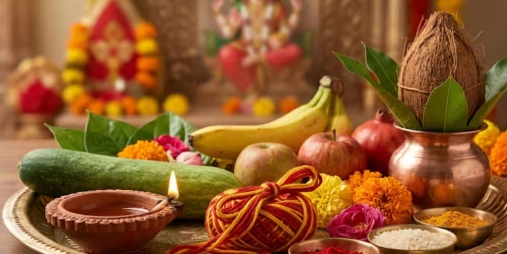
Keeping the required puja items ready beforehand can help ensure that the rituals are performed without interruption. The essential items include:
Idols And Symbols
- Lord Jimutavahana made from kusha grass
- Fresh cow dung and smooth clay to create representations of the eagle and jackal
- Red-and-yellow Jitiya thread or Jiutiya locket/mala
Leaves And Flowers
- Kusha and durva grass
- Betel leaves and areca nut
- Mango leaves and tulsi leaves
- Flowers and garlands
- Roli, akshat, yellow sandalwood and sindoor
Fruits And Offerings
- Cucumber, considered essential for the puja
- Bananas, apples and other seasonal fruits
- Raw coconut, peda and batasha
Traditional Offerings
- Soaked black gram and peas
- Torai or nenua leaves
- Madua flour
- Noni saag
Havan And Lamp Items
- Earthen lamp and pure cow ghee
- Incense sticks, camphor and matches
- Kalash and red cloth
Things To Keep In Mind During Jitiya Puja
Devotees traditionally keep akshat and durva in their hands while listening to the vrat katha. Listening to the story together with other women in the family is also considered auspicious.
After the katha and aarti are completed, the red-and-yellow Jitiya thread is traditionally tied around the wrist or placed around the child’s neck.