With the BRICS Summit approaching, Delhi is undergoing a major makeover, with the authorities stepping up efforts to spruce up Lutyens’ Delhi and key roads leading to venues and hotels. But alongside the beautification and security drive, homeless people, beggars, drug users and street vendors living or working on roads and footpaths are also being removed.
A joint operation involving the Delhi Police, Delhi Urban Shelter Improvement Board (DUSIB), Municipal Corporation of Delhi (MCD) and New Delhi Municipal Council (NDMC) is under way in prominent areas including Connaught Place, India Gate, Bharat Mandapam, Khan Market, Mandi House, Nizamuddin, Rajghat and the Red Fort.
Officials say the exercise is aimed at maintaining security and keeping roads and VIP routes clear for visiting dignitaries. Police officials maintain that homeless people picked up during the drive are being shifted to government-run shelter homes.
Homeless ‘being taken outside’ Delhi
Accounts from the ground, meanwhile, paint a different picture. Local residents and organisations working with homeless people allege that as shelter homes have a limited capacity, some people are being taken not merely to far-flung parts of Delhi but allegedly beyond the city, including areas such as Muradnagar.
There has been no official confirmation from the agencies involved that homeless people are being forcibly relocated outside Delhi.
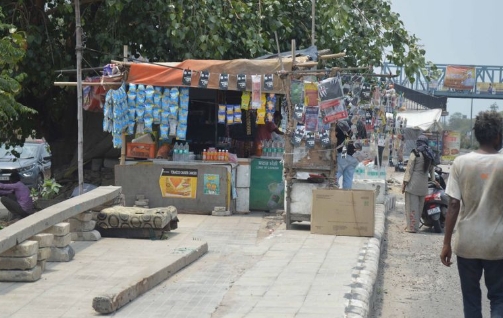
The drive is also reportedly extending beyond people sleeping on pavements. Temporary workers, street vendors, hawkers and small shopkeepers operating along routes connecting the airport, major hotels booked for foreign delegates and Bharat Mandapam are also facing action.
Over 4,000 people estimated to be affected
Government agencies and organisations working in the field estimate that around 3,500 to 4,000 homeless people and beggars are present across areas stretching from the Indira Gandhi International Airport to the New and Central zones of the Capital.
A similar removal drive was carried out ahead of the G20 Summit. But once the international event was over, many of those removed from the streets eventually returned, raising questions over whether such exercises offer anything more than a temporary solution.
‘Not a long-term solution’
Unless homeless people and informal workers are provided safe shelter, livelihood opportunities and access to basic services, periodic drives ahead of major international events will continue to raise questions over human rights and social justice.
Why wait for major events?
Those associated with the issue also question why roads and pavements occupied by homeless people, beggars, drug users and informal vendors are allowed to remain in such a condition until a major international event forces authorities to act.
They argue that sustained enforcement, rather than short-term clearance drives, could keep public spaces free of encroachment throughout the year. The continued presence of unauthorised occupation despite repeated drives has also prompted concerns among some observers about possible official negligence, corruption or collusion.
For now, however, as Delhi prepares to host the BRICS Summit, the priority appears clear: keep the Capital’s most visible stretches spotless, secure and presentable for the visiting global dignitaries.