Ganesh Visarjan 2026: At the time of Ganesh Visarjan, there is often confusion about what to do with the flowers, garlands, durva (sunflower grass), clothes, betel nuts, and coconuts offered during the puja. Many people immerse the idol along with all the puja materials in the water.
Although ritual farewell and disposal of worship materials are two different processes, learn which items should be removed before immersion and what is appropriate to do with them.
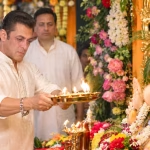
Before lifting the Ganpati idol, the Uttara Puja, or farewell puja, is performed. Offer flowers, durva (sunflower grass), and offerings to Bappa, followed by an aarti. During the puja, apologize for any mistakes made and pray for his return to the home next year. After this, the idol is moved slightly from its place of installation. This is considered a sign that the resolution of the installation has been fulfilled and Bappa is now being respectfully bid farewell.
Should Flowers And Garlands Also Be Immersed In Water?
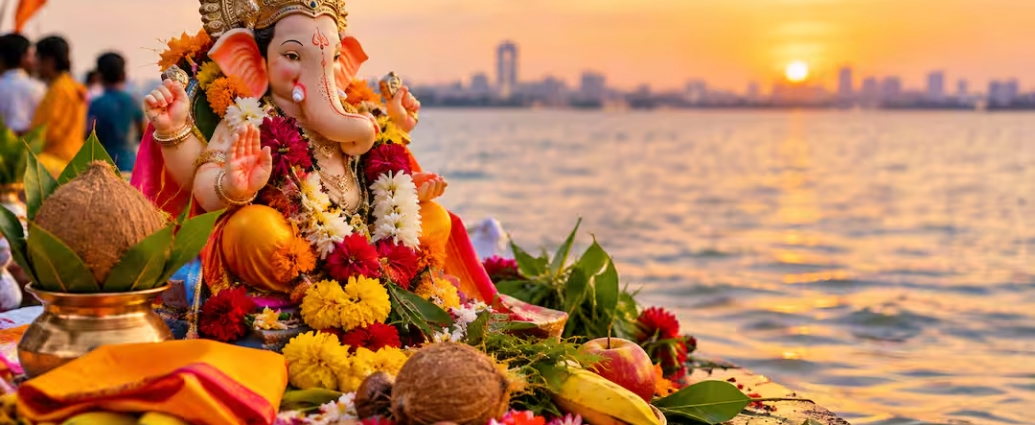
Flowers, garlands, durva (shrub grass), and leaves placed on the idol should be removed before immersion. They should not be thrown into rivers, ponds, or drains. Natural flowers and leaves can be collected separately and composted. If this is not possible at home, they can be buried in clean soil or placed in an urn (nirmalya urn) provided by the municipal body.
The immersion guidelines of the Central Pollution Control Board also state that the idol should be immersed at the designated place only after removing flowers, leaves, and decorative material from the idol. Do not mix plastic garlands, ribbons, thermocol, glitter, or artificial decorations with wet puja materials. Separate these and give them to the appropriate waste collection point.
Where Should The Clothes Worn By Ganpati Be Kept?
It is not necessary to immerse the cloth offered to Bappa in water along with the idol. Remove the cloth respectfully and store it in a clean, dry place. It can be used to decorate the Ganpati shrine next year, spread in the prayer room, or used in other religious rituals.
If the garment is new and usable, it can be donated to a person in need, as per family tradition. If you wish to offer it at a temple, inquire about the arrangements there first. Never throw any plastic, wire, or artificial jewelry attached to the garment into water.
What To Do With The Betel Nut Used In Worship?
If the betel nut was offered solely as a puja material, it can be wrapped in a red or yellow cloth and placed in the prayer room after the Uttara Puja. Some families preserve it as prasad.
If the betel nut was installed as a symbol of Ganesha or another deity, it should first be ritually exorcised. Regional and clan traditions may vary regarding what to do next. Instead of throwing such betel nuts into an open body of water, store them according to your family tradition or the advice of a priest.
What To Do With Coconut, Fruits And Kalash Water?
The coconut and edible fruits from the puja can be distributed among the family as prasad. Do not consume any items that have spoiled. The clean water from the Kalash can be poured into a plant or clean soil. Clean the Kalash, coins, and metal jewelry and reuse them for puja.
The Simplest Rule Of Immersion
Only carry eco-friendly clay idols into the immersion waters, and choose a pond or location designated by the administration. Remove any flowers, clothes, betel nuts, plastic, and other decorations beforehand. This will ensure a respectful farewell to Bappa and prevent water sources from getting polluted.