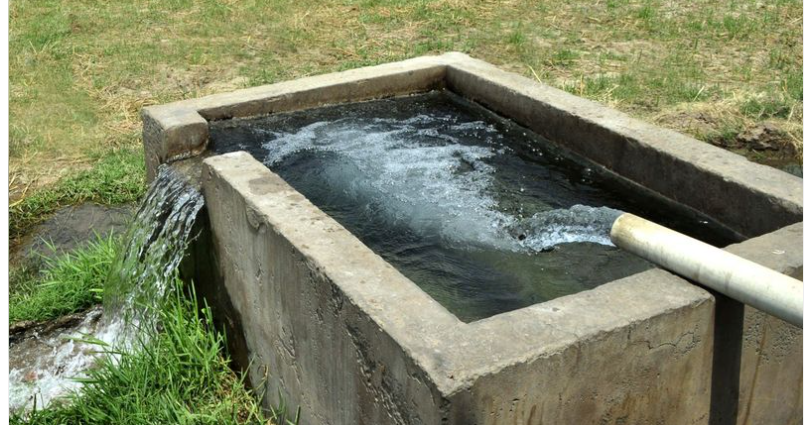
The Municipal Corporation of Gurugram (MCG) has proposed shutting 94 of its 581 tubewells by January 2027 as part of a groundwater action plan aimed at curbing excessive extraction amid the city’s persistent water shortage and a rapidly depleting water table.
The draft plan, sent by the MCG Commissioner to the Gurugram Metropolitan Development Authority (GMDA) CEO on October 6, proposes closing the identified tubewells within 90 days. The move follows directions from the Punjab and Haryana High Court on a petition filed in 2008 over groundwater extraction that has since expanded into a broader examination of water governance in Gurugram.
In its September 22 order, the High Court flagged the city’s persistent shortage of potable water and the inadequate utilisation of monsoon rainwater for groundwater recharge.
The 94 tubewells identified for closure are located in sectors and developed urban areas that already receive adequate canal-based water supplies from the GMDA. Their shutdown is expected to reduce groundwater extraction by around 9.7 million litres per day (MLD).
The remaining 487 tubewells, which supply approximately 50.3 MLD, will be reviewed every quarter and closed in phases as the GMDA’s canal-based supply stabilises.
According to the Central Ground Water Board’s 2024 assessment, Gurugram Urban’s stage of groundwater extraction stands at 326.52%, indicating that extraction is more than three times the annual groundwater recharge.
The action plan also seeks to reduce the use of potable water for non-drinking purposes by expanding the supply of treated sewage water to parks.
The treated-water pipeline network, which currently covers 49.8 km and serves 142 parks, is proposed to be extended to 104.951 km, covering 312 parks, by March 2027. The foundation stone for the 55.151-km extension, covering 170 parks, was laid on June 5.
Rainwater harvesting is another key component of the plan. Of 408 existing conventional rainwater-harvesting structures, 173 have been cleaned and 114 repaired. Cleaning of another 67 structures and repairs to 48 remain pending, while 35 new structures have been constructed.
The MCG estimates that the 443 structures could collectively recharge around 9.57 million litres of groundwater during a four-hour rainfall event. The work on these structures is scheduled to be completed by May 2027.
Of the 277 approved modular rainwater-harvesting structures, 145 have been completed, 81 are under construction and 51 are yet to be tendered.
The plan also addresses the condition of urban ponds, many of which face encroachment and development delays. Of the 140 ponds identified across the city, 113 fall under the MCG’s jurisdiction. Among these, 32 have been developed, 21 are being developed and 60 remain undeveloped.
A final, coordinated groundwater action plan will be prepared within 30 days after receiving inputs from the municipal bodies in Jatauli Mandi, Sohna and Farrukh Nagar, along with the Public Health Department.