









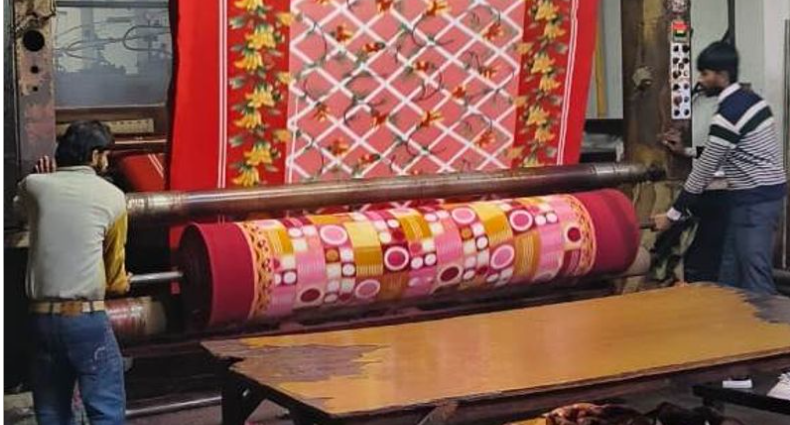
The blanket industry in Panipat, already grappling with a slowdown in overseas markets amid the Iran-Israel-US conflict, is facing a nearly 50% decline in domestic demand this season. Production has fallen by around 30-35%, while mounting raw material costs and inflation have further squeezed manufacturers.
Rising polyester yarn prices, driven by the surge in crude oil prices, have emerged as a major concern. Industry representatives said yarn that cost Rs 100-105 per kg last year was now priced at around Rs 155 per kg, pushing up manufacturing costs and retail prices.
Panipat, a major textile hub known for mink, flano and polar blankets, has around 160 manufacturing units catering to nearly 99% of the domestic market’s demand. The industry, which earlier faced stiff competition from Chinese imports, has established itself as a major production centre.
Naveen Bansal, president of the Bapoli Industrial Zone and a founder member of the All India Industries Association, said the price of common mink blankets had risen to Rs 210-240 per kg this year.
“Usually, this is the peak season for the blanket industry, but production is down by around 30% and domestic demand has shrunk by nearly 50%,” Bansal said, adding that inflation had weakened consumers’ purchasing power.
Ram Pratap Gupta, secretary of the Panipat Polar Blanket Association and vice-president of the Haryana Chamber of Commerce and Industries, Panipat Chapter, said the industry depended on four key sales channels — stockists, the marriage season, festivals and cold weather.
However, uncertainty over yarn prices had made stockists cautious, while weak marriage-season sales and rising costs of dyes, labour and other raw materials had hit business. Unfavourable weather conditions had also affected demand, he said.
Gupta added that delayed payments had disrupted the industry’s cash flow. Manufacturers, who earlier received payments within 35-40 days, were now waiting nearly two months.
Vinod Dhamija, chairman of the Haryana Chamber of Commerce and Industries, Panipat Chapter, said the industry was facing pressure from both domestic and overseas markets.
Higher yarn and gas prices, inflation and weaker orders had compounded the crisis. While units normally operated at full capacity during the peak season, many were currently running at only about one-third capacity, leaving warehouses stocked with unsold blankets, he said.
Manufacturers fear that unless demand improves and input costs stabilise, the season could prove particularly difficult for the industry.