









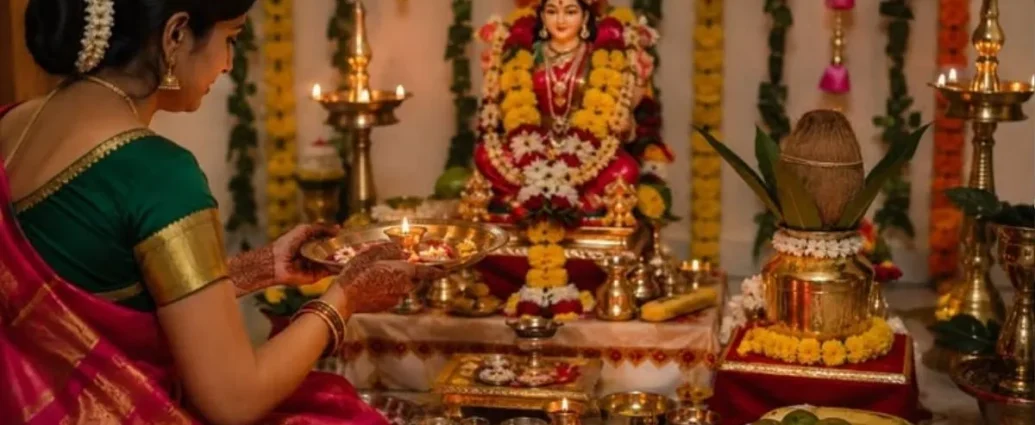
In Sanatan Dharma, worship is considered a means of achieving peace of mind and expressing devotion to God. Most people perform worship while sitting comfortably, but you may have also seen some people standing and praying to God. According to religious beliefs, both positions have different significance. Why is it considered necessary to sit while performing worship, and why is Aarti performed while standing? During worship, posture, direction, and other rules should be observed. In this article, we will learn about the classical rules related to worship.
Why sit for worship?
According to religious beliefs, during regular worship, one should meditate and worship God while sitting on a seated posture. This keeps the body stable and facilitates concentration. In contrast, standing can cause instability, leading to distraction during worship. Therefore, it is customary to sit while performing ritualistic worship.
Aarti is always performed while standing
There is a difference between the rules of worship and aarti. During aarti, devotees stand in their seats and worship the deity with devotion. However, other rituals of worship, including chanting mantras, meditation, and spiritual practices, are performed while seated on a seat.
circumambulation also while standing
After the puja is over, it is customary to stand and circumambulate the deity. While circumambulating the idol or place of worship, maintain a feeling of reverence and devotion. Religious beliefs consider this an important part of worship.
Pay attention to the right direction
Special attention should be paid to the direction of worship . Facing east or north during worship is considered auspicious. However, practical considerations may vary depending on the layout of the house or the location of the place of worship.
Perform puja while sitting on a seat
A clean and designated seat should be used for worship. Avoid sitting directly on the ground without a seat. It is also recommended to bow to the ground beneath the seat after worship.
Respect sacred things
Shaligrams, Shivalinga, conch shells, sacred threads, and idols of deities should not be placed directly on the ground. They should be placed on a clean cloth, seat, or appropriate container. Maintaining cleanliness and covering the head during puja and aarti is considered a sign of respect and humility towards God.