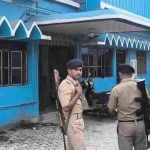








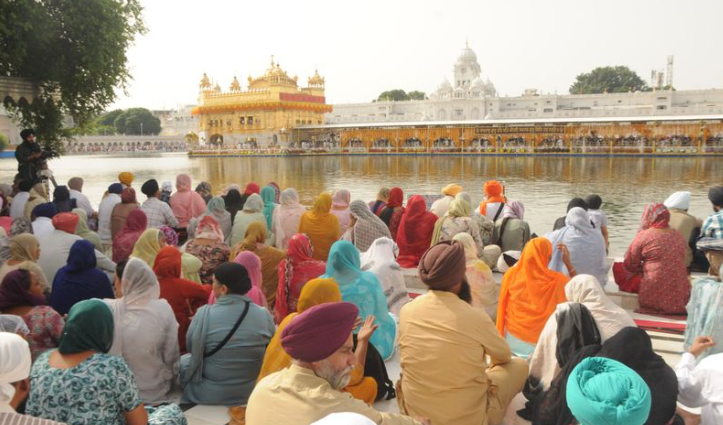
Recently, the Fazilka SSP apologised to the officiating Jathedar of Akal Takht, Kuldip Singh Gargaj, after five police personnel from Ferozepur entered the Golden Temple premises in uniform, violating the Sikh Rehat Maryada (code of conduct).
This sparked strong protests from Sikh organisations. SGPC president Harjinder Singh Dhami said officials in uniform were not permitted to enter gurdwaras, though they may pay obeisance if they remove their belts.
Such incidents are not isolated. Historically, police entries into Sikh shrines have triggered morchas (peaceful protests). The Jaito Morcha (1923–1924), for instance, arose after police barged into the historic Gurdwara Gangsar in Jaito, Nabha, to suppress a peaceful Akali protest and forcibly removed the gurdwara priest, enraging the Sikh community.
Similarly, the Guru Ka Bagh Morcha (1922) began after police entered the Guru Ke Bagh Gurdwara in Ghukewali, Amritsar.
More dramatically, Operation Blue Star in 1984 saw the Army and the police enter the premises.
Notably, the first police action at the Golden Temple in Independent India occurred on the intervening night of July 3 and 4, 1955, when united Punjab police entered the shrine to contain Shiromani Akali Dal activists during the Punjabi Suba Movement.
A similar brief incursion escalated into controversy in November 2002, when Punjab policemen in plain clothes entered the Golden Temple complex, ostensibly to search all three serais (inns) ahead of the annual SGPC executive committee elections on November 9. SGPC workers resisted the raiding party’s attempt to vacate the serais. The then SGPC chief, Kirpal Singh Badungar, rushed from Bathinda to Amritsar and accused the Congress government of disturbing communal peace and harmony.